
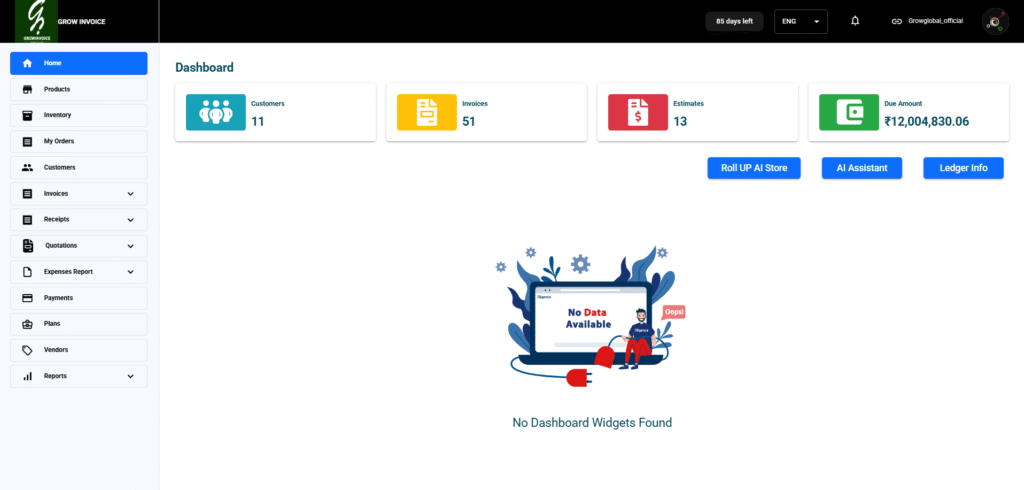
For many MSME owners, following up on payments feels like a second job. Calls, messages, reminders, and awkward conversations become part of the daily routine. Over time, this constant chasing drains energy, affects relationships with customers, and still does not guarantee timely payments. What most businesses miss is that the real problem is not follow-up. It is the lack of a proper payment tracking system.
When payments are tracked clearly and consistently, follow-ups reduce on their own.
Why constant follow-ups become necessary
Most MSMEs follow up every day because they do not have real-time visibility into their receivables. When invoices, payments, and customer records are scattered across notebooks, spreadsheets, or multiple apps, it becomes hard to know exactly who owes what and since when.
This uncertainty forces business owners to over-communicate. Instead of targeted follow-ups, everyone gets reminders. Customers feel pressured, and owners feel frustrated.
Visibility changes the entire equation
The biggest shift happens when businesses can clearly see:
-
Which invoices are unpaid
-
Which are overdue
-
Which have been partially paid
-
Which customers regularly delay payments
When this information is available at a glance, follow-ups become strategic instead of repetitive. Owners stop guessing and start acting with clarity.
Payment tracking is about timing, not pressure
Chasing customers every day often backfires. It creates resistance and weakens relationships. Effective payment tracking focuses on timing. Knowing exactly when an invoice becomes overdue allows businesses to follow up at the right moment, not too early and not too late.
This balance increases the chances of payment without damaging trust.
The problem with manual payment tracking
Manual tracking depends heavily on memory and discipline. One missed update can distort the entire picture. Payments received may not be recorded immediately. Invoices may still appear unpaid even after money arrives. This confusion leads to unnecessary follow-ups and disputes.
Over time, manual systems break down under volume. What works for ten invoices fails at fifty.
Connecting invoices and payments reduces effort
When invoicing and payment tracking are connected in one system, everything becomes simpler. Payments automatically reflect against invoices. Outstanding balances update in real time. There is no need to cross-check bank statements with invoice lists.
This connection eliminates double work and reduces mental load for business owners.
How automation quietly replaces daily follow-ups
Modern payment tracking tools automate reminders and status updates. Instead of manual calls, customers receive timely, polite reminders based on due dates. These reminders feel professional, not personal.
Automation shifts the role of the business owner from chasing to monitoring. The system does the routine work, while the owner intervenes only when necessary.
Clear records build customer accountability
When customers know that invoices and payments are tracked systematically, behaviour changes. Clear records reduce excuses and misunderstandings. Conversations become factual instead of emotional.
Instead of asking, “Did you make the payment?”, business owners can say, “This invoice has been pending for seven days.” That clarity often speeds up resolution.
Better tracking improves cash flow predictability
When payments are tracked accurately, businesses can predict cash inflows with greater confidence. This allows better planning for expenses, salaries, and purchases. Cash flow stops feeling random and starts feeling manageable.
Predictability reduces stress and improves decision-making.
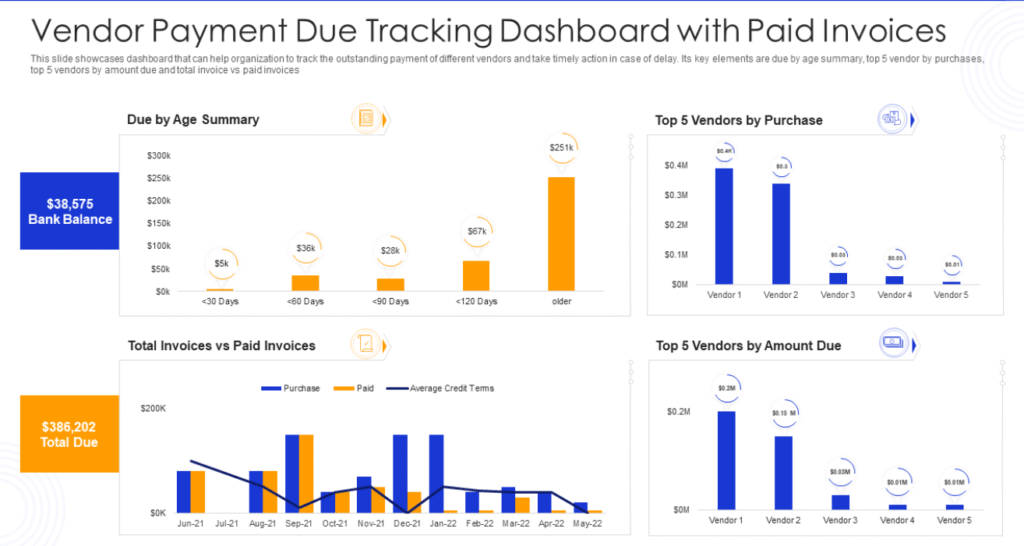
Technology does the heavy lifting
Payment tracking is not about working harder. It is about working smarter. The right system provides a live view of receivables, flags overdue invoices, and highlights payment patterns without constant effort.
This frees MSME owners from daily follow-ups and allows them to focus on growth instead of reminders.
Final thoughts
Following up every day is not a sign of control. It is a sign of missing systems. When payments are tracked properly, follow-ups become fewer, more effective, and less stressful.
MSMEs do not need to chase money.
They need clarity.
With the right payment tracking approach, payments start coming in without daily pressure, and business runs smoother, calmer, and more professionally.