
For many MSMEs, delayed payments feel inevitable. Customers pay when they want to, follow-ups are constant, and cash flow always feels tight. Over time, this becomes so normal that business owners stop questioning it. But here’s an uncomfortable truth most MSMEs overlook: a large number of payment delays have nothing to do with the customer’s intent. They are caused by the invoice itself.
An invoice is not just a document asking for money. It is a signal. It communicates how organised, reliable, and serious a business is. And customers respond to that signal more than most MSMEs realise.
First impressions matter more than we admit
When a customer receives an invoice, their brain processes it in seconds. Is it clear? Does it look trustworthy? Is it easy to understand? A professional invoice creates confidence instantly. An unstructured or confusing invoice creates doubt, even if the customer never says it out loud.
Doubt slows everything down. The invoice gets pushed aside for later review, sent back for clarification, or parked until someone has time to understand it. That “later” is where payments get stuck.
Professional invoices reduce hesitation before it even begins.
Clarity removes friction from payment decisions
One of the biggest reasons payments get delayed is simple confusion. Vague descriptions, unclear totals, missing tax details, or inconsistent formats force customers to stop and think. When people have to think harder, they delay action.
A professional invoice removes friction. It clearly shows what is being charged, why it is being charged, how much is due, and by when. There is no mental effort required to approve it. The easier an invoice is to process, the faster it moves through a customer’s payment system.
Clarity is not about aesthetics. It is about speed.
Accounts teams trust structure, not intent
In many cases, the person receiving your invoice is not the decision-maker. It goes through an accounts or finance team that follows strict processes. These teams do not operate on relationships or verbal assurances. They operate on formats, compliance, and documentation.
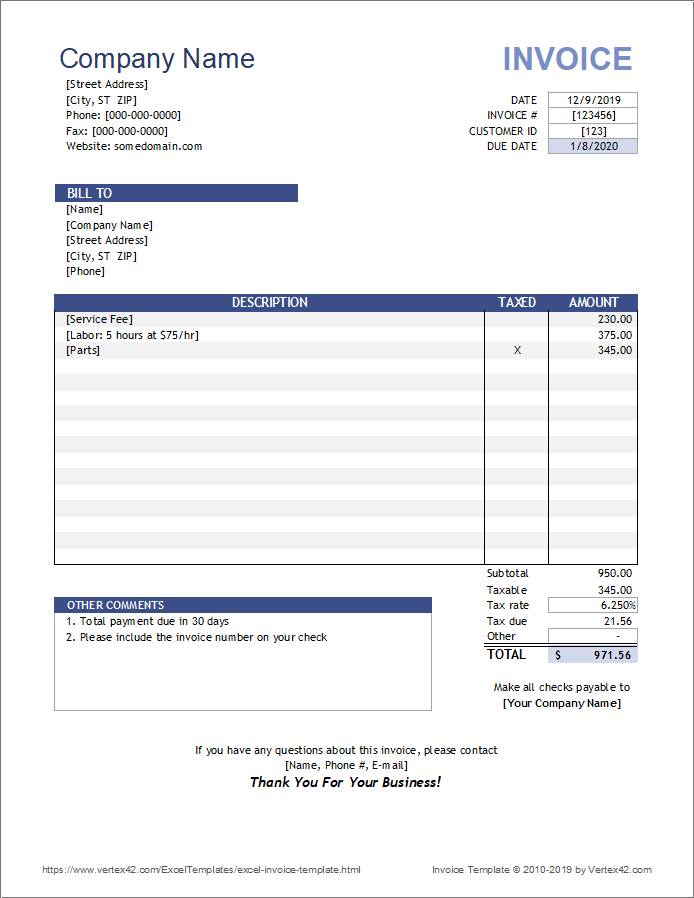
Professional invoices align with how accounts teams work. Correct tax details, consistent numbering, proper dates, and structured layouts reduce the chance of rejection. When an invoice fits smoothly into an internal process, it gets cleared faster.
Unprofessional invoices, no matter how genuine, often get flagged, questioned, or returned.
Professionalism signals reliability
Businesses subconsciously associate invoice quality with business reliability. A clean, well-structured invoice suggests organised operations, accurate records, and accountability. A messy invoice suggests potential errors, disputes, or follow-ups waiting to happen.
Customers prefer to pay businesses that appear reliable because it reduces their own risk. Professional invoices reassure them that payment will not lead to confusion later.
Trust accelerates transactions.
Errors are the biggest silent delay
Manual invoices often carry small mistakes. Wrong totals, incorrect tax calculations, missing fields. Even one error can stop payment completely until a revised invoice is issued. Each correction restarts the payment cycle.
Professional invoicing systems reduce errors by design. Automated calculations, predefined templates, and standardised fields minimise human mistakes. Fewer errors mean fewer interruptions. Fewer interruptions mean faster payments.
Speed is often about avoiding mistakes, not pushing harder.
Payment terms become visible and enforceable
Many MSMEs assume customers know when to pay. But unless payment terms are clearly stated, customers interpret flexibility as permission to delay. Professional invoices make payment terms visible and unambiguous.
Due dates, late payment conditions, and payment methods are clearly communicated. This creates a shared understanding and subtle accountability. Customers are more likely to prioritise invoices that clearly state expectations.
What is written clearly gets respected more often.
Professional invoices reduce disputes before they start
Disputes delay payments even when the customer is willing to pay. Ambiguous descriptions, unclear quantities, or missing references create room for disagreement. Each question pauses the payment process.
Professional invoices leave little room for interpretation. They document exactly what was delivered, when, and at what price. This documentation protects both sides and keeps the payment moving forward without friction.
Prevention is always faster than resolution.
Faster payments improve business confidence
When invoices are paid on time, business owners plan better. Expenses feel manageable. Growth decisions feel safer. Stress reduces. This confidence feeds back into how the business operates and communicates.
Professional invoicing does not just improve cash flow. It improves mindset. Owners stop operating in survival mode and start thinking strategically.
Cash flow clarity changes behaviour.
Professional invoices are a growth signal
As MSMEs grow, they deal with larger clients, structured organisations, and more formal processes. Professional invoices are no longer optional at that stage. They are a requirement.
Businesses that adopt professional invoicing early prepare themselves for growth. They look credible to bigger clients, handle higher volumes smoothly, and scale without chaos.
Professionalism today enables opportunity tomorrow.
Final thoughts
Invoices are often treated as an afterthought, something created quickly at the end of a transaction. In reality, they are one of the most powerful tools an MSME has to influence payment behaviour.
Professional invoices reduce confusion, build trust, align with customer processes, and remove friction from the payment journey. They do not chase money. They make money flow naturally.
If payments feel slow, the solution may not be more follow-ups.
It may simply be better invoices.